- Don’t confuse the damage a monster deals with the damage type it is weak against.
- When building physical or magical teams, choose the fifth hero based on whether your team survives.
- When comparing two lineups, record the monster’s level, energy spent, and attack order.
CONTENTS
In Lords Mobile monster hunting, there’s no single answer to “Which heroes should I send?” A lineup that works against one monster can waste your energy against another. Damage type isn’t always the problem, either: Even with the right attackers, your hunt suffers if the team falls early.
To make a good choice, check three things: What damage type is the monster weak against, what damage do your heroes deal, and can your five heroes survive the fight? The method below helps you decide with the heroes you have instead of memorizing a fixed list.
Read the Monster’s Weakness First
The damage type the monster deals to you and the damage type it is weak against are different pieces of information. Read the weakness and attack details separately in the monster’s in-game description. If a monster is weak against magical damage, for example, you may need extra durability to withstand its attacks, but your main damage plan should still focus on magical heroes.
Level matters too. A team that survives a level 2 monster may fall early against a level 3 one. Don’t immediately conclude that “the magical team doesn’t work.” First, try replacing one hero with a support hero and see whether the team stays alive long enough to deal more damage.
Run this quick check before hunting:
- Check the monster’s weakness in its in-game information.
- Review your heroes’ skills and separate physical attackers from magical attackers.
- Look at your last hunt: Did your heroes survive, or did some fall before the fight ended?
How to Build Physical and Magical Teams
Against a monster weak to physical damage, you can try an attacking core of Tracker, Black Crow, Demon Slayer, and Scarlet Bolt. Your fifth hero depends on the team’s survivability: If everyone stays alive, try Trickster for a more attack-focused lineup. If heroes fall early, test Prima Donna for healing.
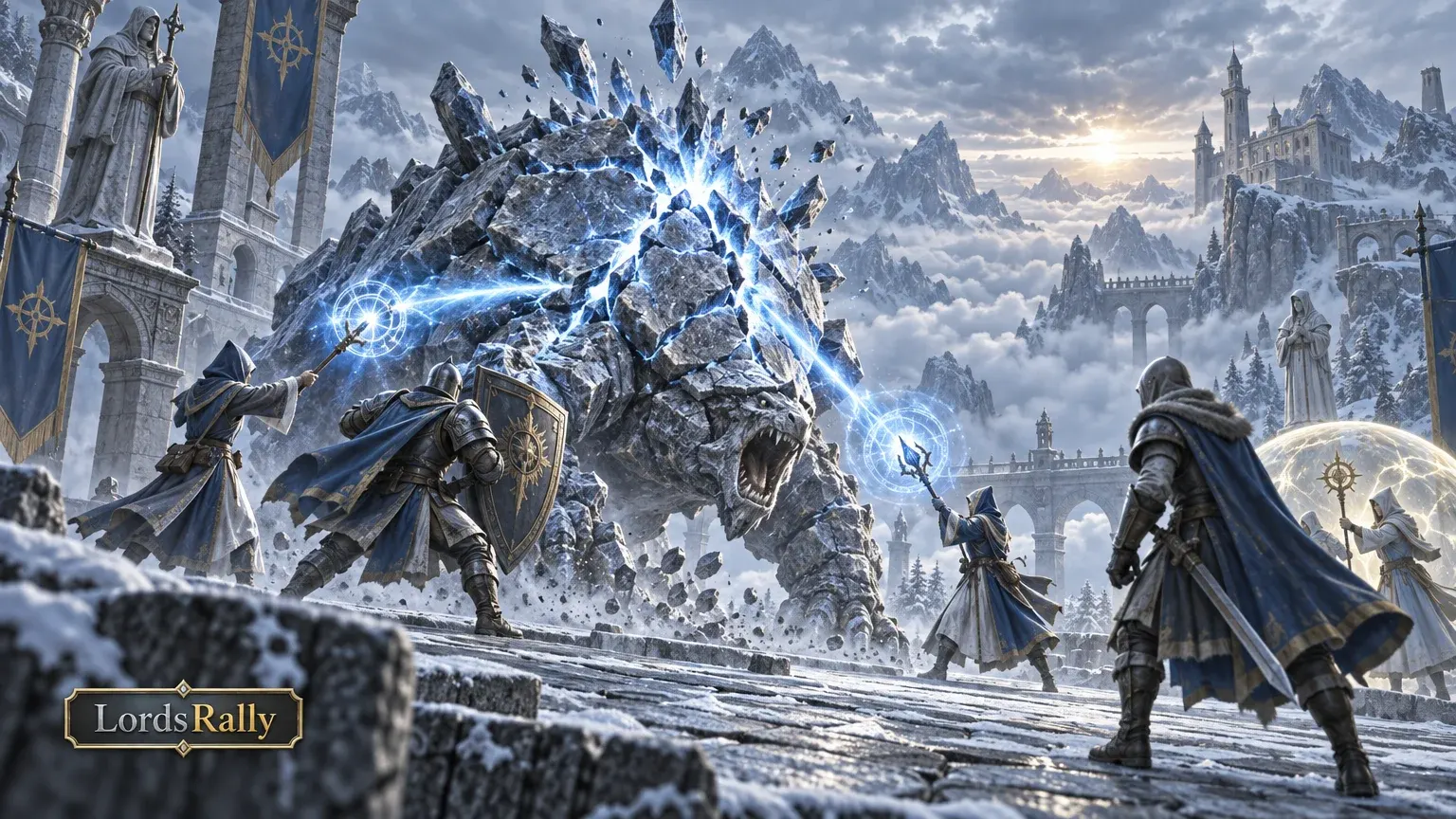
Against a monster weak to magical damage, Incinerator, Elementalist, Snow Queen, and Sage of Storms form a magical core. Prima Donna in the fifth slot may help the team finish a difficult fight. The point isn’t to set a permanent “four attackers and one healer” rule. Adjust your lineup to your heroes’ strength and your hunt results.
Imagine two guildmates preparing for the same type of level 2 monster. One has well-developed magical heroes; the other has stronger physical heroes. The monster’s magical weakness makes a magical lineup a sensible starting point for the second player, but the final decision should depend on their results. The weakness points you in the right direction; your heroes’ current strength affects the outcome.
Don’t classify heroes by name alone. Check their in-game skills, especially if you haven’t used a hero for hunting in a while. If you copy a lineup and don’t get the damage you expected, review those roles first.
Two Starting Lineups
| Monster’s weakness | Attacking core | Fifth slot |
|---|---|---|
| Physical damage | Tracker, Black Crow, Demon Slayer, Scarlet Bolt | Trickster if the team survives; Prima Donna if heroes fall early |
| Magical damage | Incinerator, Elementalist, Snow Queen, Sage of Storms | Prima Donna to test the team’s survivability |
Fifth Slot: Damage or Healing?
Suppose four attackers deal solid damage, but two heroes fall early. Adding another attacker in the fifth slot may not help if the rest of the team can’t finish the fight. Try Prima Donna instead: Does the team keep attacking long enough to make up for lower immediate damage?
The reverse is also true. If all five heroes finish comfortably, replacing the healer with an attacker of the appropriate damage type is worth testing. Swapping Prima Donna for Trickster in a physical team is one concrete example. Compare how much total health the monster loses, not just one big hit on the screen.
Don’t rely on healing alone to solve a durability problem. If your team falls apart quickly, you can also try a hero who can hold the front line; Rose Knight is an option to consider. Remember that adding her means removing an attacker. Your hunt result will tell you whether the trade-off helped.
If heroes dying before the fight ends is your main problem, read our guide to why heroes die early in monster hunts. Fixing your damage type and fixing survivability are two separate steps.
How to Compare Two Lineups Fairly
One attack screenshot isn’t enough to say, “This team hits harder.” The monster’s level, starting health, energy spent, and whether you’re making consecutive attacks all affect the comparison. When possible, compare first attacks against two full-health monsters of the same type and level. Note any hero upgrades you made between hunts, too.
A simple record is enough:
- Target: Monster type and level.
- Team: The five heroes you sent.
- Conditions: Energy spent and whether it was your first attack.
- Result: Health the monster lost and which heroes survived.
For example, under similar conditions, one lineup might remove about 8% of a monster’s health while another removes 13%. Those figures are example results from your own two tests, not a damage promise for every player. If the second team’s heroes also survived, you can choose it for your next hunt. If the first team lost heroes, investigate whether the gap came from damage type or survivability.
If energy is limited, don’t change all five heroes at once. Build a core suited to the monster’s weakness, then change only the fifth slot. That makes it easier to see which decision affected the result.
Record After Each Hunt
- The monster’s type, level, and health before the attack.
- Your five heroes, energy spent, and attack order.
- The health the monster lost and which heroes survived.
Make a Shared Guild Hunting Plan
Posting only “use magical damage” in guild chat leaves players with different rosters guessing. Instead, share the monster’s type and level, its weakness, a tested lineup, and where that lineup struggled. For example: “Against a level 2 target, four magical attackers fell early; we’re testing Prima Donna in the fifth slot.” That gives others a starting point they can use.
Comparing two lineups used by the same player is more useful than directly comparing damage between different players. When hero development differs, those players’ results alone can’t show which lineup is better. Keep a recommended starting team and an alternative for early losses in your guild notes, then update them after later hunts.
Guilds tracking special monsters on the map can find LordsRally’s !mobs command among the commands; 👾 event monster notifications are explained on the features page. These tools don’t choose your heroes automatically. Base that decision on the monster’s information and your own results. For more hero topics, browse the blog archive.
If you want to organize special monster notifications for your guild, contact LordsRally. For hero selection, start with your own hunt records.
Frequently Asked Questions
Should I Always Use Five Attackers for Monster Hunting?
No. If your heroes fall early, test whether a healer such as Prima Donna lets the team attack longer. If everyone survives comfortably, try an attacker with the appropriate damage type in the fifth slot.
Is a Monster’s Attack Type the Same as Its Weakness?
No. Its attack type describes how it damages your team; its weakness tells you which damage type may give you an advantage. Check both separately in the in-game information.
Should I Copy Another Player’s Five-Hero Lineup Exactly?
You can try it as a starting point, but your hero development and team survivability may differ. Record your own results against monsters of the same type and level, then adjust the fifth slot accordingly.
LordsRally tracks your target castles, finds them again after they teleport and alerts your guild.
Buy Now