- Build a balanced team with a durable frontline, healing, control, and damage.
- If you lose on the final wave, check your skill timing before changing your lineup.
- Prioritize upgrades for the role holding you back instead of spreading resources across every hero.
CONTENTS
There's a familiar way to lose in Lords Mobile Hero Stages: You clear the early waves comfortably, your frontline hero falls in the final fight, and the rest of the team goes down soon after. The answer isn't always to pick five higher-level heroes. You need to consider who absorbs damage, who keeps the team alive, and when you use your strongest skills.
This guide focuses on getting more from the heroes you already have. Don't copy your Hero Stages lineup straight into Colosseum defense: the opponents and win conditions differ. For that mode, see our Colosseum defense lineup guide.
Five roles that help you win Hero Stages
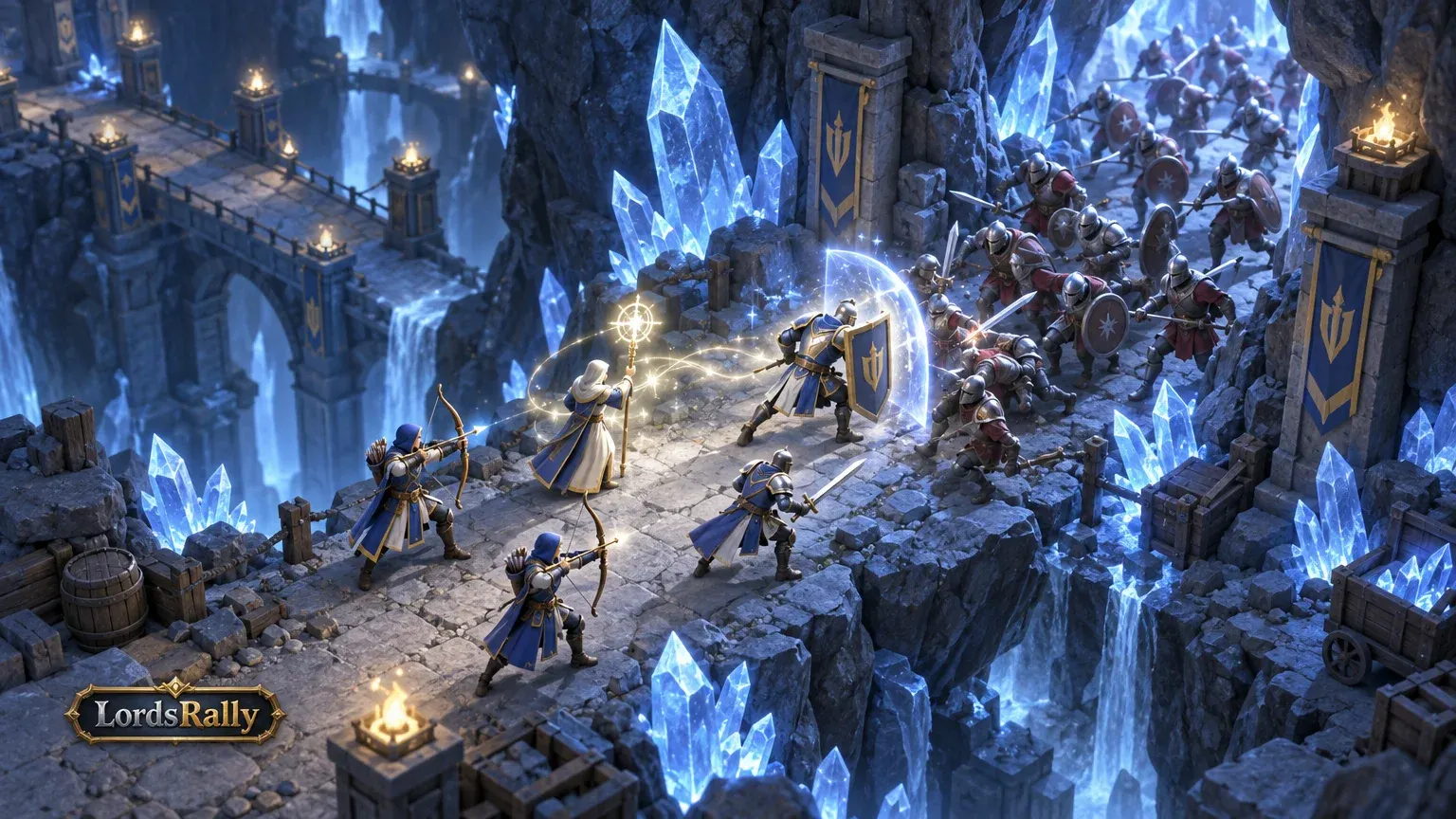
A good starting point is not filling all five slots with your highest-damage heroes. A useful balance is 1 frontline hero, 1 healer, 1 control hero, and 2 damage dealers. It isn't a fixed rule; it's a starting lineup that makes losses easier to diagnose.
For the frontline, consider a durable hero such as Oath Keeper or Child of Light. Prima Donna is a healer who can restore your team's health. Tracker provides focused single-target damage, Incinerator can pressure multiple enemies, and Snow Queen is an option when you need control. Your heroes' levels and upgrades matter more than their names. Don't put an underdeveloped hero into a strong team just because they're on a recommended list.
For example, if your five heroes clear the first wave quickly but can't survive the second encounter, adding a third damage dealer may make things worse. First, check whether your healer survives and how early your frontline falls. If damage isn't why you're losing, more damage alone won't fix it.
Five-hero lineups for three common problems
Balanced starting point: Oath Keeper, Prima Donna, Tracker, Incinerator, and Snow Queen. This gives you a frontline, healing, single-target damage, pressure against groups, and control. If a stage has both groups of enemies and a durable final opponent, try this balance first, then watch which role falls short.
Not enough damage in the final fight: If your frontline and healer survive but the fight drags on, try replacing Snow Queen with an upgraded damage dealer such as Scarlet Bolt. The key question is whether your team can still survive with less control. If your frontline falls early in both attempts, stop trying to add damage; durability is the real problem.
Frontline falls too early: Try Oath Keeper and Child of Light together, replacing one damage dealer. Clearing the stage may take longer, but Prima Donna gets more time to heal. If you still lose the first encounter with two durable heroes, check their rank, level, and gear progression. Swapping heroes alone can't close every gap.
Treat these three lineups as diagnostic tools, not guaranteed wins. Change one hero per attempt so you can tell why the result changed. Replacing all five at once makes it harder to identify what worked.
First lineup change based on how you lose
| Observation | First adjustment |
|---|---|
| Frontline falls early | Try a second durable hero. |
| Team survives, but the final opponent won't go down | Try an upgraded damage dealer in place of your control hero. |
| First encounter is easy, but the last is hard | Adjust skill timing before changing your lineup. |
What should you change first when you lose?
Pay attention to how you lose. If your frontline falls first, examine durability and healing timing. If Prima Donna falls early, later encounters become difficult no matter how much damage your team deals. If everyone survives but the fight drags on, you may need more single-target or group damage.
Suppose a stage has three encounters: You win the first two but lose the last. First, check how much health your heroes have when the third encounter begins. If the team is already worn down, the final opponent isn't the only problem; when you used your healing skill earlier also matters. If the team enters close to full health but can't defeat the final opponent, changing your damage mix makes more sense.
Keep a small record when retrying the same stage: Which hero fell first, in which encounter, and what did you change next time? Comparing three attempts teaches you more than swapping heroes at random. It also helps you avoid the wrong diagnosis: A backline hero falling doesn't always mean your frontline is too weak.
Check before your next attempt
- Note which hero fell first and in which encounter.
- Check your team's remaining health when the final encounter begins.
- Change only one hero or one skill-timing decision on your next attempt.
Which wave should get your strongest skills?
Auto-play is convenient, but on a difficult stage, try controlling the timing of your strongest skills. If the first encounter is easy, spending every powerful skill there can leave you unprepared for what follows. For healing and control in particular, the moment you need a skill matters more than the first moment it's available.
Try saving Prima Donna's heal until your team's health has dropped instead of using it while everyone is mostly healthy. Likewise, Snow Queen's control is more valuable when multiple enemies are applying pressure than during a quiet moment. If you can focus single-target damage on the enemy causing the most trouble, you can reduce the pressure sooner.
For example, imagine you clear the first encounter safely, but two heroes take heavy damage in the second. Try healing during that second encounter's pressure rather than at the end of the first. Then compare your team's condition entering the final encounter. If the same five heroes get further, skill timing—not hero selection—was likely the issue.
Plan your medals, rank, and stamina
Even the right lineup eventually runs into an upgrade gap. A hero's level, rank, and grade improved through medals are separate areas of progression. Check each member of the team you're using on the hero screen. If your frontline or healer is noticeably behind the others, investing in that gap first may make more sense.
For hero medals, check the relevant Elite Hero Stage. Choose a target after confirming in-game which hero's medals you can obtain. Instead of scattering your stamina across many heroes, prioritize the role that will help you clear your next difficult stage. If your frontline always falls first, focus on developing that hero. If everyone survives but you can't defeat the final opponent, prioritize a damage dealer.
Don't confuse the stamina used for Hero Stages with monster-hunting energy. The investment discussed here is for stage progress and hero development. Building a monster-hunting team is a separate topic; you can find more game guides in the blog archive.
Once your hero lineup is ready, you can plan your guild's war preparations separately. Explore LordsRally's shield-drop and rally alerts on the features page and its intelligence tools on the commands page; contact us if you have questions.
Frequently Asked Questions
Should I always use the same five heroes for Hero Stages?
No. Start with a balanced team. If your frontline falls, make one change to improve durability. If everyone survives but the fight takes too long, make one change to increase damage.
When should I replace Prima Donna?
Try another role if you're confident your team can survive without healing. First, compare how much health the team has entering the final encounter after you remove her.
Which comes first: medals, rank, or level?
There's no universal order. Identify the role that's failing, check which part of that hero's development is lagging, and prioritize an upgrade you can reach.
LordsRally tracks your target castles, finds them again after they teleport and alerts your guild.
Buy Now